Tel: 650-980-4870

Blog
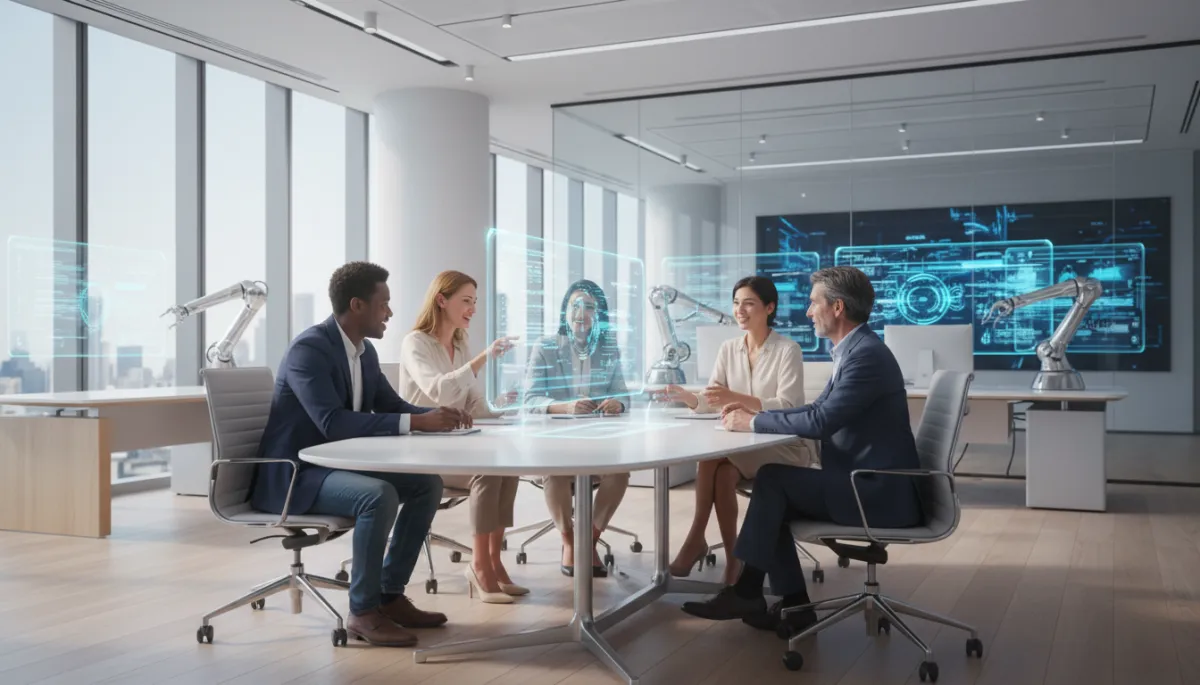
Human Element Matters Most
The Human Element in Automation: Why People Still Matter Most
Automation is transforming industries at breakneck speed. From AI-powered customer service to robotic manufacturing lines, companies are racing to automate everything they can. But here's the paradox: the most successful automation initiatives aren't the ones that eliminate humans—they're the ones that amplify human potential.
Why the Human Element Matters
Automation without humanity creates friction. We've all experienced the frustration of being trapped in an automated phone system that can't understand our problem, or dealing with a chatbot that rigidly follows scripts while missing the nuances of our request. These failures happen when companies forget that automation should serve people, not replace the human touch entirely.
The best automation handles repetitive, time-consuming tasks so humans can focus on what they do best: creative problem-solving, emotional intelligence, relationship-building, and complex decision-making. It's not about humans versus machines—it's about humans with machines.
How Leading Companies Get It Right
1. They Design for Human Oversight
Companies like Amazon use extensive warehouse automation, but they maintain human supervisors who can intervene when edge cases arise. Their systems flag anomalies for human review rather than forcing automated decisions in ambiguous situations.
2. They Invest in Reskilling
When Siemens automated parts of their manufacturing process, they didn't just lay off workers—they invested heavily in training programs to help employees transition into higher-value roles like system monitoring, maintenance, and process optimization. This preserved institutional knowledge while embracing new technology.
3. They Keep Humans in the Loop for High-Stakes Decisions
Healthcare companies implementing AI diagnostics tools position them as decision-support systems, not replacements for doctors. The AI surfaces insights and patterns, but physicians make the final call, combining algorithmic precision with clinical judgment and patient context.
4. They Prioritize the Customer Experience
Zappos is famous for empowering customer service reps to go off-script and build genuine connections. While they use automation for order processing and logistics, they've deliberately kept human agents at the center of customer interactions, understanding that exceptional service creates loyalty that no chatbot can replicate.
5. They Create Feedback Loops
Smart companies treat automation as an ongoing collaboration between humans and systems. Spotify's recommendation algorithms are constantly refined based on user behavior and feedback, with human curators adding context and editorial judgment that pure algorithms miss.
The Bottom Line
Automation done right doesn't eliminate the human element—it elevates it. The companies winning in this new era understand that technology should handle the mundane so people can focus on the meaningful. They're not asking "What can we automate?" but rather "How can automation help our people do their best work?"
The future isn't fully automated. It's intelligently augmented, with humans and machines each contributing their unique strengths. Companies that embrace this philosophy don't just improve efficiency—they create better experiences for employees and customers alike.

Menu
Services
© Copyright 2023. Optimal Outcomes. All rights reserved.