Tel: 650-980-4870

Blog
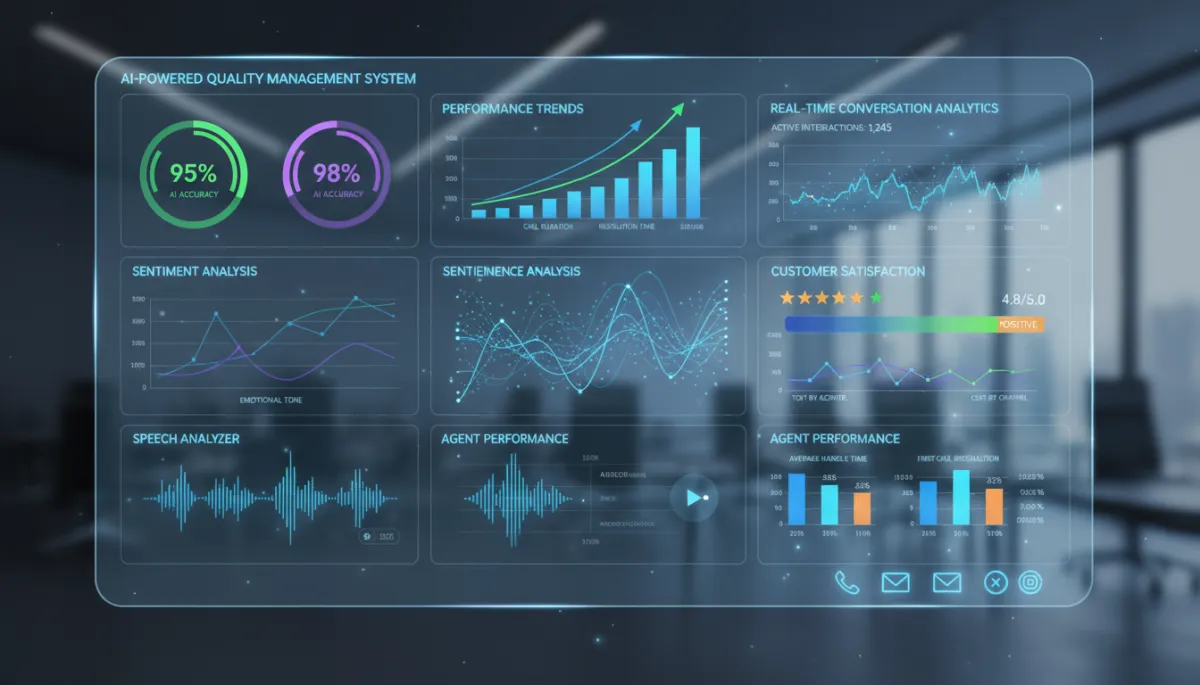
Quality & Analytics Moving Forward
Shortfalls of Contact Center Quality & Analytics Platforms and Solutions
Based on current industry insights and best practices for 2025, here's a comprehensive breakdown of the challenges and how to overcome them:
Detailed Shortfalls & Solutions
1. Limited Sample Sizes & Incomplete Coverage
The Problem:
Traditional QA teams manually review only 1-5% of interactions due to resource constraints, leading to:
Incomplete performance insights
Missed coaching opportunities
Selection bias in evaluations
Inability to identify systemic issues
Solutions:
AI-Powered Automated QA: Platforms now enable 100% interaction coverage through automated scoring
Conversation Intelligence: Use AI to automatically score all conversations across channels rather than relying on random sampling
Prioritized Auditing: Leverage AI to identify which cases to audit based on contact driver detection and AI-based CSAT evolution
2. Lagging Indicators & Delayed Insights
The Problem:
Most platforms focus on post-interaction analysis, causing:
Delayed identification of compliance issues
Missed real-time coaching opportunities
Inability to prevent negative outcomes during live interactions
Solutions:
Real-Time Analytics: Deploy real-time monitoring dashboards that track performance as it happens
Live Agent Assist: Implement tools that provide in-the-moment guidance, flagging potential compliance risks or suggesting better phrasing
Immediate Alerts: Set up automated notifications for quality or compliance issues that require immediate attention
Proactive Quality Monitoring: Use AI-driven conversation analytics and screen capture to assess interactions in real-time
3. Siloed Data & Fragmented Systems
The Problem:
Quality scores, customer feedback, and operational metrics exist in separate systems, making it difficult to:
Correlate agent performance with business outcomes
Understand the complete customer journey
Make data-driven decisions
Solutions:
Unified Platforms: Integrate QA with CRM and ticketing systems to connect quality insights with full customer histories
360-Degree View: Combine interaction data with CRM insights, customer surveys, and operational metrics to create a holistic perspective
Composite Scoring: Create blended metrics that combine AHT, CSAT, FCR, and automated quality management (AQM) scoring
Cross-Channel Integration: Ensure quality data flows seamlessly across voice, chat, email, and social media channels
4. Subjective Scoring & Inconsistent Evaluations
The Problem:
Manual evaluations suffer from:
Scorer bias and inconsistency
Different interpretations of criteria
Lack of standardization across evaluators
Impact on agent morale and fairness
Solutions:
AI-Driven Scoring: Use platforms that apply consistent, criteria-based scoring to reduce bias
Regular Calibration Sessions: Schedule sessions where evaluators review and score interactions together to align expectations
Standardized Scorecards: Develop clear, observable, objective categories such as:
Professional greeting and introduction
Active listening demonstration
Effective problem-solving
Compliance adherence
Appropriate call closing
Automated Quality Scoring: Leverage AI to score based on specific business criteria (proper greeting, information collection, empathetic language, etc.)
5. Poor Agent Experience & Punitive Approach
The Problem:
Traditional QA often feels punitive rather than developmental:
Lack of actionable feedback
Limited self-service access to evaluations
Focus on catching mistakes rather than building skills
Low agent engagement and high turnover
Solutions:
Coaching-Focused Platforms: Implement systems with gamification, peer benchmarking, and agent self-assessment tools
Timely, Specific Feedback: Deliver coaching rooted in real conversations, highlighting both strengths and opportunities
Development Plans: Co-create clear improvement targets with agents
Recognition Programs: Celebrate progress and improvements, not just top performers
Target Behaviors, Not Traits: Focus on specific, actionable improvements (e.g., "Let's pause after each customer statement to show active listening")
Balance Praise with Growth: Lead with strengths before addressing areas for improvement
6. Limited Predictive Capabilities
The Problem:
Most platforms are reactive rather than proactive:
Unable to identify at-risk customers before they churn
Can't forecast training needs
Miss opportunities to optimize scheduling and resource allocation
Solutions:
Predictive Analytics: Leverage machine learning to forecast churn, identify training needs, and optimize scheduling
Sentiment Analysis: Use AI-driven tools to assess customer sentiment during calls for deeper insights into emotional responses
Conversation Intelligence: Implement platforms that reveal call outcomes, compliance gaps, and customer sentiment trends
Proactive Intervention: Use AI to spot conversation signals that impact loyalty and enable early intervention
7. Omnichannel Gaps & Channel Inconsistency
The Problem:
Many platforms struggle with:
Non-voice channels (chat, email, social media)
Inconsistent quality standards across channels
Inability to track customer journeys across touchpoints
Solutions:
True Omnichannel QA Platforms: Deploy systems with channel-specific and unified scorecards
Integrated Communication Platforms: Use solutions that manage all customer interactions (voice, email, chat, social media, SMS) in a single interface
Consistent Customer History: Ensure customer history is accessible across channels for seamless experiences
Channel-Specific Performance Tracking: Monitor performance across each channel to optimize omnichannel strategies
Best Practices for 2025
Strategic Implementation
Define Actionable Quality Standards
Establish crystal-clear, measurable benchmarks
Involve frontline agents and leadership
Align standards with business and customer expectations
Choose the Right Technology Stack
Select tools that match your volume, complexity, and analytics needs
Ensure seamless integration with existing workflows
Implement Comprehensive Monitoring
Combine random samples with targeted reviews
Set steady review cadences for accountability
Use AI to automatically score 100% of calls, chats, and emails
Focus on Key Metrics
Track the metrics that matter most:Quality Score: 85-95% target
CSAT: 4.5-5.0 on 5-point scale
FCR (First Call Resolution): 75-85% (aim for 80%+ by 2025)
AHT (Average Handle Time): 4-6 minutes (industry-specific)
QA Coverage: Manual 2-5%, AI up to 100%
Transform Insights into Action
Deliver fast, focused, constructive feedback
Use specific examples from real interactions
Set measurable goals (e.g., "Decrease after-call work time by 15% this quarter")
Recognize and celebrate progress
Foster Continuous Improvement
Regularly update standards, processes, and training
Integrate new technologies (AI, omnichannel platforms)
Use data to drive innovation and adaptation
Leverage insights to streamline processes and update training
Technology Trends Shaping 2025
AI Adoption Acceleration: 62% of organizations have at least partially implemented AI, with 44% focusing on automation to improve efficiency
Generative AI Integration: Gartner predicts 80% of customer service organizations will use generative AI by 2025
Cloud-Based Solutions: More flexibility and scalability than on-premise solutions
Voice Analytics & NLP: Deeper conversation insights beyond traditional monitoring
IVR Market Growth: Expected to reach $9.26 billion by 2031, growing at 6.19% CAGR
Measuring Success
According to McKinsey research, companies embracing call center analytics:
Reduce average call handle time by 40%
Optimize conversion rates by almost 50%
Achieve 30% increase in CSAT scores with high FCR rates
Improve FCR by up to 25% through regular agent training
Conclusion
The future of contact center quality and analytics platforms lies in:
AI-powered automation for comprehensive coverage
Real-time insights for proactive intervention
Unified data for holistic customer understanding
Agent-centric approaches that prioritize development over punishment
Omnichannel consistency across all customer touchpoints
Predictive capabilities that prevent issues before they occur
By addressing these shortfalls with modern technology and best practices, contact centers can transform from cost centers into strategic assets that drive customer loyalty, operational efficiency, and business growth.

Menu
Services
© Copyright 2023. Optimal Outcomes. All rights reserved.